About Effluent Treatment Plant
Treating Waste such that 100% water can be reusable in the industries
Features :-
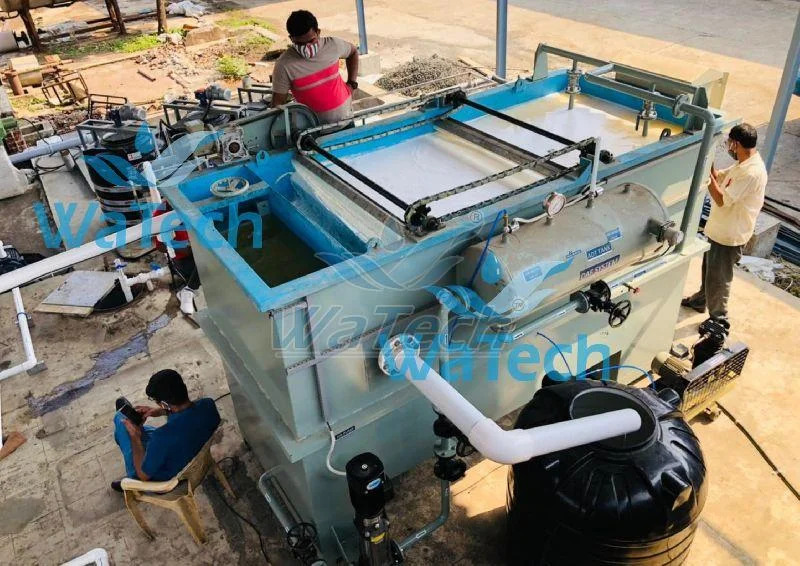
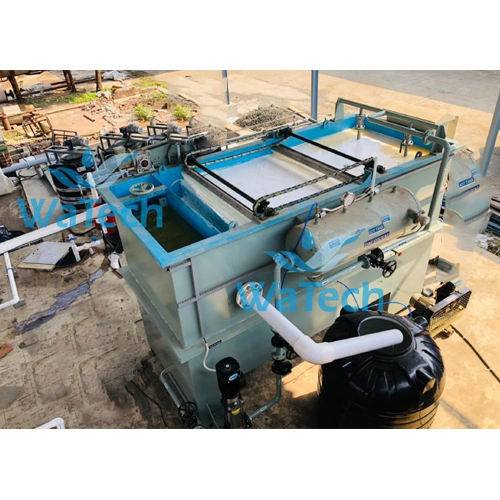
- Heavy MS Structure with Ep or FRP or Rubber Coating
- Best Quality DAF/ Lamela /Flocculator /Dosing's /
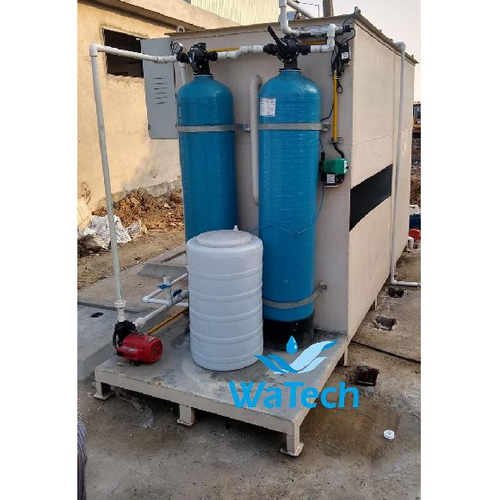
- Available with Tertiary Treatment
- Prefabricated Structure
- Electrical Panel
- Many More Features
- Customized for any type of industrial waste
Applications:-
- Water Jet Looms Industries
- Textile Industries
- Dairy Industries
- Pharma Industries
- Food and Beverages Sector
- Chemical Industries
- Petrochemical Industries
- Dyeing & Printing Mills Many More
Any Industries/Residency were Waste water is not suitable to use we treatit and make it usable with Less Maintenance and wide Experience
Compliant and Efficient Wastewater TreatmentOur ETP guarantees full compliance with CPCB discharge standards, providing advanced reduction of BOD and COD to below 30 mg/L and 250 mg/L, respectively. This system employs multilayered treatment for maximum pollutant removal, emphasizing both operational efficiency and environmental safety. It's engineered to handle demanding industrial effluents with inlet suspended solids up to 3000 mg/L.
Integrated Automation & Modern ControlsWith a PLC-based control panel, the plant supports automatic or semi-automatic operation, ensuring continuous monitoring and easy adjustability. Integrated chemical dosing units and automatic sludge handling streamline the process, reducing manual intervention and enhancing safety. The user-friendly interface optimizes daily operation, maintenance, and compliance reporting.
Flexible Design for Industrial NeedsOur ETP is available in a modular, skid-mounted, or containerized design to meet diverse installation conditions. Construction options include UPVC, CPVC, Mild Steel with FRP lining, or optional Stainless Steel, accommodating various chemical compatibilities and ensuring durability. The system supports effortless integration into new or existing industrial setups and can be customized in dimension and capacity.
FAQ's of Effluent Treatment Plant:
Q: How does the Effluent Treatment Plant ensure compliance with CPCB discharge norms?
A: The ETP uses a multi-stage process-screening, equalization, aeration, clarification, filtration, and disinfection-culminating in advanced membrane bioreactor technology. This setup consistently brings BOD below 30 mg/L and COD under 250 mg/L, meeting or exceeding CPCB guidelines for effluent discharge.
Q: What types of wastewater can this plant treat and what is its capacity range?
A: This ETP is suitable for industrial effluent, process water, and sewage, accommodating a capacity of 10 KLD to 500 KLD. Its robust design allows for variable inlet flow rates and efficient treatment of high suspended solids (up to 3000 mg/L).
Q: When should the Clean-In-Place (CIP) system be used for membrane maintenance?
A: The CIP system for membranes should be employed as per the recommended maintenance schedule or when there is a noticeable drop in filtration performance. Routine CIP ensures prolonged membrane life and maintains high removal efficiency (>99%).
Q: Where can the treated effluent be reused after processing?
A: Treated effluent from our plant can be safely reused for gardening, non-potable process applications, or flushing, thanks to the high purification achieved and effective removal of microbiological contaminants.
Q: What are the main stages involved in the treatment process?
A: The treatment process incorporates screening, equalization, aeration, clarification, filtration, disinfection, and advanced membrane bioreactor filtration. Automatic sludge removal and integrated chemical dosing further optimize performance.
Q: How does the plant's automation benefit users?
A: PLC-based automation minimizes human intervention, ensures consistent operation, and allows real-time monitoring and control. It enhances plant reliability, safety, and ease of maintenance, making operation straightforward and efficient.
Q: What materials are used for construction and how does this benefit durability?
A: Construction materials include mild steel with FRP lining, SS (optional), UPVC, and CPVC piping. These materials ensure excellent resistance to corrosion and chemical exposure, guaranteeing long-term durability in demanding industrial environments.

 Send Inquiry



 Send Inquiry

 Send Inquiry


 English
 Spanish
 French
 German
 Italian
 Chinese (Simplified)
 Japanese
 Korean
 Arabic
 Portuguese